
 Agility dog training made its debut at Crufts in England back in 1978 as a simple halftime show. The sport has grown into one of America’s most popular canine activities because it challenges both dogs and handlers while being incredibly fun.
Agility training goes well beyond pure entertainment. This dynamic sport teaches dogs to traverse obstacle courses by following their handler’s signals. The sport demands excellent teamwork, clear communication, and deep trust between dogs and their human partners.
Our exploration extends to other specialized methods of dog training such as protection dog training, search and rescue work, police dog training, and hunting dog training – each bringing distinct advantages for different dog personalities.
Dogs were bred to work, and without proper outlets, they often develop behavior problems from sheer boredom. Specialized training gives your pet the mental challenges and physical activity they need. Your dog will build stronger bonds with you and get plenty of chances to socialize with other dogs and people.
This piece will direct you through the captivating world of specialized dog training techniques. We’ll start with simple foundations and work our way up to competition-level skills. Let’s discover your dog’s full potential together!
Why Specialized Dog Training Matters
Specialized dog training teaches much more than simple commands like “sit” and “stay.” Good training builds the foundation of a dog’s well-being, behavior, and bond with humans. The specialized techniques discussed in this piece show how training can improve both dogs’ and their owners’ lives.
Physical and mental benefits for dogs
Dogs need mental and physical stimulation through training. Research shows that dogs who don’t get enough mental challenges become bored and listless. This often leads them to destroy things around the house. Such behavior doesn’t mean they’re “bad dogs” – they just need more mental exercises.
Mental stimulation through specialized training:
- Stops boredom and unwanted behaviors
- Lowers anxiety and stress levels (studies show trained dogs have lower levels of cortisol, the stress hormone)
- Helps fight cognitive decline, particularly in older dogs
- Builds confidence through achievement
Physical aspects of specialized training like agility courses and protection work give dogs great exercise. Such activities release endorphins that make dogs feel happy and healthy. The pet industry now generates $86 billion in annual sales, with much going toward training resources, toys, and equipment that keep dogs mentally active.
Dogs who face harsh physical corrections or negative reinforcement learn slower. Too much correction makes dogs afraid to try new things. That’s why modern training methods focus on positive reinforcement.
Improved communication and trust
Training creates clear ways for dogs and humans to understand each other. One expert explains, “Dogs don’t speak our language; they are simply learning to associate certain phonetic sounds, body language and/or gestures with certain behaviors and expectations”. So training builds a shared language that helps both sides understand each other better.
Clear, consistent communication helps dogs trust their owners more. This trust strengthens their relationship—dogs who feel closer to their owners tend to be more relaxed and secure. The training process brings dogs and owners closer as they work toward shared goals.
On top of that, it helps owners better understand their dog’s body language and behavior. Better understanding lets humans spot when their dogs feel anxious or uncomfortable. Dogs with proper training show more confidence in different situations and adapt better to new environments.
Real-life applications of training
Specialized training helps dogs serve many vital roles in society. For pet dogs, training prevents behavioral problems—the main reason why people give up their dogs or put them down. Good training saves dogs’ lives.
Service dogs now learn their tasks in half the time, with less stress. This means they can stay with their owners longer. Even airport security and military dogs now experience more positive training methods. These working dogs look happier while doing their important jobs.
Search and rescue dogs, hunting companions, and police K9s need specialized training to do their work well. Good training pays off through better safety and efficiency in real situations. A well-trained dog that follows commands reliably can save lives in emergencies.
Specialized training creates happier, healthier dogs that fit better into human life. They can join you at outdoor cafés, compete in sports, or work in roles that satisfy their natural abilities and drives.
Understanding Agility Training
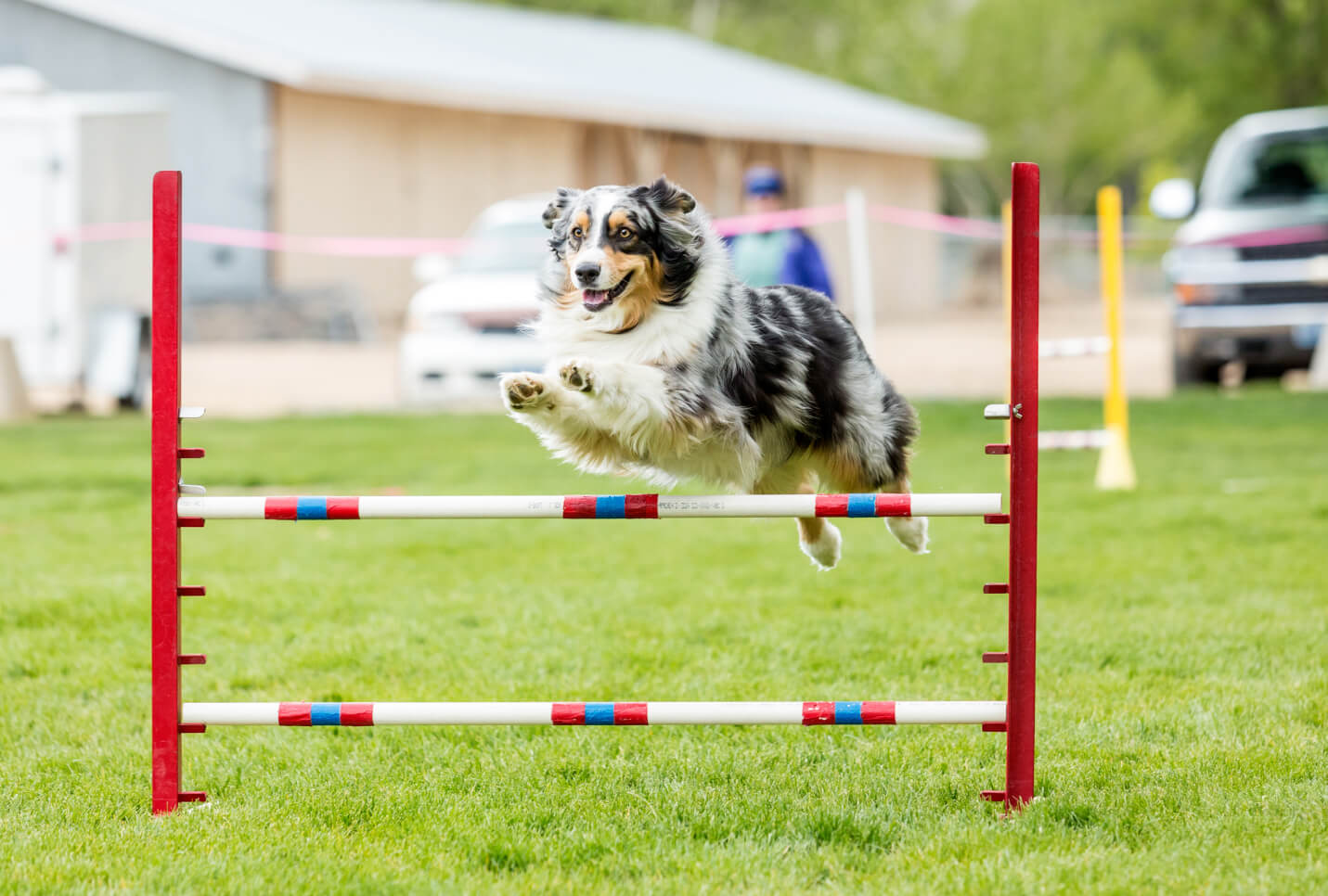
Image Source: ElleVet Sciences
Agility dog training turns a dog’s natural instincts and abilities into an exciting sport that tests both physical prowess and mental sharpness. This sport goes beyond simple obedience training and needs sophisticated communication between handler and dog as they tackle challenging obstacle courses together.
What agility training involves
Agility training stands out as a high-energy canine sport where dogs move through a pre-set obstacle course within specific time limits while responding only to their handler’s cues and body language. Handlers direct their dogs through the course without physical help and use verbal commands and movements as guides. This creates a special partnership where success comes from clear communication and mutual trust.
Dogs should know simple obedience commands like sit, stay, and come before starting agility training. These basics help them safely handle tougher challenges. Dogs learn to spot and follow their handler’s signals during sessions. They also learn to avoid distractions and solve problems with skills they already have.
Most agility classes run weekly for about an hour. Home practice plays a key role too. Many handlers take 15-20 minutes each day to work on skills from class. While some compete at local, national, and international levels, many dog owners choose agility just for fun and its benefits.
Common obstacles and course types
Agility courses usually have between 14-20 obstacles that dogs must tackle in a specific order. Here are the most common obstacles:
- Jumps: Dogs leap over bars without displacing them, with heights adjusted based on the dog’s size
- Tunnels: Open tunnels require dogs to enter one side and exit through the other, often curved so the dog can’t see the exit
- Weave Poles: Six to twelve upright poles that dogs must enter to the right of the first pole and weave through without missing any—considered one of the trickiest obstacles to master
- Contact Obstacles: Include the A-frame (two broad ramps hinged together), dog walk (elevated planks), and seesaw (requires balance as it pivots)
- Pause Table: Dogs must pause for five consecutive seconds, slowing the team’s forward momentum
Different course types exist. Standard courses feature all obstacle types. Jumpers with Weaves focus mainly on jumps, tunnels, and weave poles. FAST (Fifteen and Send Time) assigns point values to obstacles. Time to Beat courses move quickly, while Premier courses offer tougher layouts than Master Standard courses.
How agility builds focus and fitness
Agility training works as a complete workout that improves heart health, builds muscle strength, and boosts flexibility and balance. Dogs make sudden turns, stops, and sprints between obstacles. This improves their reaction time and keeps their bodies nimble.
The sport works every major muscle group while improving the dog’s coordination and physical awareness. Older dogs benefit from regular movement through controlled exercises. This helps maintain their joint flexibility and muscle strength, which can reduce stiffness as they age.
Mental benefits match the physical ones. Dogs must analyze the course, anticipate commands, and decide how to approach each obstacle. These mental challenges help prevent cognitive decline, especially in aging dogs, and lower anxiety and stress levels. The confidence they gain often shows up in other parts of their lives.
The bond between handler and dog grows stronger through this shared activity. Both learn to communicate better and work as a team toward common goals. Shy or timid dogs often become confident, happy companions as they learn to overcome challenges.
Getting Started with Agility at Home
Setting up a dog agility course at home lets you test your pet’s interest in this exciting sport. A simple setup at home gives you a chance to see if your dog enjoys agility training. You can build your handling skills before signing up for formal classes.
Simple obedience as a foundation
Your dog needs to master fundamental commands before trying jumps or tunnels. Good obedience training forms the foundations of successful agility practice. Dogs should respond reliably to simple cues including sit, stay, down, and come. These commands serve as vital safety tools when dogs navigate obstacle courses.
Your dog needs focus and impulse control exercises to build the concentration needed in agility work. On top of that, it helps to teach your dog to walk backward and do simple tricks like “spin” and “bow” that develop body awareness and flexibility.
Dogs with reactivity issues benefit from focus skills that help manage distractions during training. Note that short, positive training sessions keep dogs motivated—aim for 15-20 minutes per session.
Homemade equipment ideas
DIY agility equipment offers a practical and cost-effective way to start. Here are some simple items you can make at home:
- Jumps: Place a broomstick or PVC pipe between stacks of books or flower pots. Puppies should start with the bar at walking height. The pole should fall easily if your dog hits it for safety.
- Weave poles: Set up bamboo garden stakes, soccer cones, or sand-filled water bottles at least 24 inches apart. Begin with 3-4 poles and add more as your dog improves.
- Tunnels: Children’s play tunnels work great, or create one by draping blankets over chairs. Let your dog choose to enter—use treats or call from the other end if they hesitate.
- Tire jump: A hula hoop or bike tire works well if your dog fits through comfortably. Start by holding it low while your dog walks through, then raise it gradually.
- Balance boards: A wobble board made from plywood with a tennis ball underneath helps dogs get used to moving surfaces—perfect prep for the teeter-totter obstacle.
- Dog walk: A wooden plank across two concrete blocks helps practice straight-line walking at low heights.
Safety tips for beginners
Your dog’s safety builds confidence and prevents injuries. Talk to your vet before starting agility training, especially with breeds prone to breathing issues or back problems. Some breeds like Dachshunds and Basset Hounds might not do well with jumping exercises.
Beginners should train for 5-10 minutes and end on a positive note. This keeps the experience fun and prevents mental fatigue. Give plenty of water breaks, especially in warm weather, since dogs cool down by panting and need proper hydration.
Make sure all obstacles stay sturdy but break away if hit. Avoid slippery surfaces where dogs might lose their footing. Your dog’s size and ability should determine equipment dimensions—never exceed recommended jump heights for their breed and age.
Take your time to progress. Competition-level heights and difficulties can wait. Watch videos or join local clubs to learn proper handling techniques that won’t stress or hurt your dog. Each dog learns differently—patience and positive reinforcement create the best foundation for agility success.
Advanced Agility Techniques

Image Source: J&J Dog Supplies
Your dog has learned the simple stuff, and now it’s time to lift your agility dog training to the next level. Advanced techniques help create an uninterrupted partnership where you communicate with precision even when distance or speed separates you.
Distance handling and off-leash control
Knowing how to handle distance lets you guide your dog through obstacles without being right beside them—a vital skill to compete successfully. Note that removing the leash too early can harm your training progress. Your dog should show reliable control while still on leash before going off-leash.
The path to distance work should happen step by step:
- Start with a 20-foot long line to give your dog freedom while you retain control
- The line gets shorter as your dog’s reliability improves
- Keep going until your dog performs well without needing the leash
Your dog should develop a strong “check-in” behavior and look at you when called by name. This response lets you give more instructions and keeps you connected throughout the course.
Advanced distance work often needs specific directional cues. The “out” command with an arm signal teaches dogs to move away from you toward a specific obstacle. Smart handlers place rewards strategically—your dog won’t work away from you if all rewards come from right next to you.
Improving speed and accuracy
Trainers often ask how to make their dogs faster without losing precision. Training experts say dogs can’t be truly fast without understanding. They must know exactly what you want before they can perform faster with confidence.
To build speed the right way:
- Create desire first, then accuracy—speed develops on its own
- Pick rewards your dog really wants during training
- Keep training sessions exciting by changing setups and patterns
- Another person can hold slower dogs back while you move ahead
Your dog stays motivated when you don’t run faster than them—getting ahead often makes dogs slow down instead of speed up. Running contacts might work better than “stop and wait” behaviors for naturally slower dogs.
Physical fitness plays a big part in developing speed. Dogs that compete in agility must be fit enough to handle the sport’s demands. Fast dogs are usually confident and know their job well.
Training for competition readiness
Competition venues are nowhere near like practice settings, so specific preparation matters. Dogs must work through distractions first. Building emotional control begins with basic behaviors like solid sit and down stays while facing more environmental challenges.
Your dog should show these skills before entering competitions:
- Strong recall whatever the distractions
- Stopping on command from far away
- Solid performance on all obstacles
- Comfort in new environments
On top of that, competition success depends on your course strategy and handling skills. Practice blind crosses (turning away from your dog) and front crosses (crossing your dog’s path) because these create more speed than rear crosses.
Teams near competition level should practice “sending” their dog to obstacles while moving to smart handling positions. This side-to-side handling makes your path shorter than your dog’s—a substantial advantage when you can’t run as fast as your dog.
Competition readiness goes beyond physical skills. Dogs in agility trials must be 15 months old or older and registered with organizations like the American Kennel Club. Knowing trial types and eligibility rules helps create a successful competitive experience.
Introduction to Protection Dog Training
Protection training takes dog education to a different level compared to sports like agility. Personal protection work turns a dog’s natural protective instincts into controlled, responsive behavior that helps keep owners safe, unlike recreational training.
What is personal protection dog training?
Personal protection dog training creates dogs that can defend their owners from real threats while staying perfectly controlled and social in daily life. These dogs aren’t just aggressive animals – they’re highly trained companions that recognize the difference between normal interactions and real dangers.
Many people misunderstand this concept. A well-trained protection dog works like a “concealed weapon” – looking just like a well-behaved family pet until protection becomes necessary. These special dogs respond to specific commands or clear threats and use controlled responses instead of random aggression.
This training goes beyond simple obedience. Dogs learn to:
- Assess threats accurately
- Stay calm in any environment
- Defend when needed
- Stop immediately on command
Breeds commonly used
Not every dog has the right temperament and physical traits for protection work. The dog’s personality matters more than its breed, but some breeds have done great in protection roles because of their natural traits:
German Shepherds and Belgian Malinois top the list thanks to their smarts, trainability, and balanced temperaments. Rottweilers, Doberman Pinschers, and Cane Corsos are also popular because of their natural protective instincts. Giant Schnauzers, though less common, offer protection with a bit less intensity than other working breeds.
Just owning a traditionally protective breed doesn’t guarantee protection abilities. Each dog needs an assessment of its drives, nerves, temperament, confidence, sociability, work ethic, and physical health before starting this special training.
Ethical considerations and safety
Protection training comes with big ethical responsibilities. The most important principle in this field should be “do no harm” – making sure training never hurts the dog physically or mentally. Good protection dog training focuses on:
- Humane methods without harsh punishment
- Open communication about training approaches
- The dog’s wellbeing comes first
- Training that emphasizes restraint over aggression
It’s worth mentioning that owners must understand their legal responsibilities when having a protection-trained dog. This includes liability issues and following local laws. Safety protocols must put public wellbeing first and focus on control and de-escalation instead of confrontation.
Protection dogs should make life safer without hurting the dog’s quality of life or putting others at risk.
Search and Rescue Dog Training Basics

Image Source: www.backpacker.com
Search and rescue dogs stand out as the elite performers in the working dog world. These remarkable animals can detect human scent in ways that even our best technology can’t match. A dog’s nose contains up to 300 million scent receptors, while humans have just 6 million. This incredible difference lets them find victims in minutes when human teams might need hours or even days.
Types of SAR dogs
SAR dogs excel in different search specialties:
- Tracking/Trailing Dogs: These dogs keep their noses to the ground as they follow one person’s scent trail. They need a “last seen” starting point and something with the person’s scent on it.
- Air-Scent Dogs: With their noses pointed up, these dogs catch human scent in the wind. They can find people without needing to know where to start looking.
- Disaster/Urban Dogs: These specialists find victims buried after disasters or building collapses. They work without leashes to track down human scent sources they can’t see.
- Cadaver Dogs: These dogs can find anything from complete bodies to tiny pieces like teeth or bone fragments.
- Water Search Dogs: They pick up gasses that rise from drowning victims, which helps them spot bodies hidden underwater.
How SAR dogs are trained
SAR dogs need 12-18 months of training and practice more than 20 hours every week. Their journey starts early with simple “scent games” when they’re just 10-12 weeks old. Training gets more challenging through several steps:
- Socialization: Dogs learn to handle different public places, new experiences, and meeting lots of people.
- Obedience: They master off-leash commands since most SAR work happens without restraints.
- Terrain Adaptation: Dogs learn to move across tough surfaces like rubble and rough ground that people usually avoid.
Scent work and tracking fundamentals
Understanding scent behavior forms the foundation of SAR training. Most scent particles weigh more than air and drop down to create trails. Trainers work with different tools:
Natural training aids include human flesh, blood, soil samples, and adipocere. They also use artificial aids like putrescine and cadaverine compounds.
Dogs learn specific “alerts” to show they’ve found something. Some sit or point quietly, while others bark or scratch to get attention.
Real-life scenarios and simulations
Teams practice with mock searches to prepare for actual emergencies. “Victims” hide in cities, wilderness, or under debris while dogs learn to work through distractions.
Experienced teams use different search patterns: linear searches, expanding squares, zig-zag patterns, and sector searches. Search conditions change often with different winds, temperatures, and challenging terrain.
These dedicated animals become more than search experts through their training. They grow into confident, focused partners with improved physical fitness and emotional stability.
Police and K9 Dog Training Techniques
Police K9 teams have been a cornerstone of law enforcement for more than a century. These remarkable partnerships bridge human capabilities with canine instincts. Police dog training stands apart from recreational or occasional training programs. These teams must stay ready and show steadfast dedication in high-stakes situations.
Overview of police dog roles
The Illinois State Police K-9 section started its journey in 1963. The first dogs received training in officer protection, crowd control, and tracking. Modern police K9s now serve multiple critical functions:
- Locating tools: K9s excel at tracking missing persons, finding criminal suspects, and searching for discarded evidence
- Detection specialists: Teams find narcotics, explosives, and firearms hidden in vehicles, structures, or on persons
- Patrol support: Dogs protect their handlers and stop ongoing criminal activity
- Specialized search: Some K9s earn advanced certifications to detect human remains on land or underwater
Belgian Malinois has emerged as the top choice for police work among other breeds like German Shepherds and Dutch Shepherds. Their intense drive, focus, agility, and compact size make them ideal candidates.
Obedience and bite work
Every police dog must master simple obedience training before taking on specialized tasks. They learn to respond instantly to their handler’s commands. This foundation gives officers control during high-stress situations. Training includes:
Handler control proves crucial during bite work. Officers must use proper leash technique with two hands – one near the collar, one at the leash end. This prevents accidental bites. Handlers learn to plant their feet and hold their dogs down during body bites to stop them from lunging at the helper’s face.
The process starts by choosing dogs with natural biting instincts. Trainers then shape these instincts into controlled responses. Teaching release commands presents the real challenge since dogs naturally want to maintain their grip.
Public safety and control
Modern police dogs serve mainly as search tools, not apprehension weapons – unlike their portrayal in fiction. Many jurisdictions require K9s to stay leashed. This lets handlers recall them immediately when needed.
These K9s excel as de-escalation tools. One expert puts it perfectly: “Individuals will fight with 10 police officers, but they will not fight with a dog”. Suspects often surrender just by hearing that a K9 is present.
Aggressive dogs make poor police K9s, which might surprise many people. Departments choose even-tempered, sociable animals that work calmly in chaotic public settings. These dedicated teams train continuously – usually 16 hours each month after their original certification.
Gun Dog and Hunting Dog Training

Image Source: PicClick UK
The practice of hunting with dogs stretches back thousands of years. Hunters have developed many breeds that find, flush out, or retrieve game. Gun dog training uses these natural instincts through structured development. These dogs become reliable hunting partners that respond well even in exciting field conditions.
What is gun dog training?
Gun dog training creates hunting companions that shine at specific field tasks. This specialized training falls into three distinct categories:
- Retrievers: These dogs wait quietly until commanded to recover fallen birds during waterfowl hunting
- Pointers: These bird dogs locate and indicate game by “pointing” at its location
- Spaniels: These dogs excel at flushing game from cover and retrieving afterward
- Water dogs: These breeds thrive in aquatic environments and excel at hunting and retrieving in water
Gun dogs work as a team with hunters in the field. They focus on retrieval rather than tracking or treeing game. Their “soft mouth” stands out as a distinctive trait that lets them retrieve prey without damage.
Retrieving and scent work basics
A reliable retriever needs to master the proper “hold” – the ability to carry objects gently. Back-chaining works exceptionally well for dogs with high prey drive. Trainers start with the final behavior (the hold) and work backward through the steps.
Scent detection transforms how dogs hunt. Trainers use several tools:
- Oil-based scents on training dummies
- Wax stick scents that resist water and slobber
- Scents applied directly to terrain that simulate running birds
Dogs develop extraordinary scenting abilities through these methods. Their noses contain hundreds of millions of scent receptors compared to humans’ 6 million.
Field training tips
Obedience forms the foundation of gun dog training. Trainer Cara Harper puts it well: “Obedience is the keystone that all other training is built off”. Advanced field work requires:
- Gun conditioning: Dogs learn to accept gunshot sounds during retrieval. Training starts with shots fired from 100 yards while the dog retrieves
- Quartering drills: Dogs learn zigzag patterns to find more game than straight-line walking
- Simulated hunting: Decoys, bird calls, and launches create realistic hunting scenarios on land and water
- Blind retrieves: Hand signals and whistle commands guide dogs to fallen birds they haven’t seen
Choosing the Right Path for Your Dog

Image Source: The Academy of Pet Careers
The key to successful dog training lies in understanding your dog’s true nature. Each dog comes with their own unique strengths, priorities, and natural talents that make them better suited for specific activities.
Assessing your dog’s temperament
Temperament tests are a great way to get insight into your dog’s innate traits and predispositions. These tests show how dogs react to various triggers, including strangers (from friendly to threatening), sudden noises, and visual stimuli like an umbrella opening. Expert evaluations typically look at sociability, curiosity, resilience, and how quickly dogs recover from being startled.
Your dog’s temperament is their genetic baseline, unlike personality which changes over time. You should watch how your dog handles:
- New environments and novel objects
- Handling and physical restraint
- Other dogs and unfamiliar people
- Problem-solving challenges
Matching training to lifestyle
Most training failures happen because we pick activities that don’t match our dog’s natural tendencies. Border Collies and other high-energy breeds just need mentally challenging training to avoid destructive behaviors. Independent breeds might do better with firmer handling to maintain consistent obedience.
Take these factors into account before you start specialized training:
- Your available time (some disciplines take 20+ hours weekly)
- Physical demands on both you and your dog
- Your living situation and available training space
- Long-term training goals
Protection dog training requires even-tempered, well-socialized animals that work calmly in volatile settings. Off-leash dog training builds on solid basic obedience skills before moving to distance work.
When to seek professional help
Some behaviors signal that you just need professional help. Reach out to a trainer right away if your dog shows:
- Growling, baring teeth, or attempting to bite
- Excessive pulling or leash reactivity that makes walks difficult
- Resource guarding of toys, food, or other items
- Separation anxiety when left alone
- Door bolting or consistent jumping on people
Look for trainers who use positive reinforcement methods instead of punishment-based approaches. Certifications from organizations like the Certification Council of Professional Dog Trainers show their steadfast dedication to learning.
The best trainers know their job is to teach you how to train your dog, which ensures everyone in your household stays consistent.
In Conclusion
Specialized dog training is nowhere near just about impressive tricks or competitive achievements. This piece shows how different training disciplines help realize your dog’s natural abilities and build stronger communication and trust. Your dog might excel at agility courses, perform protection work, help in search and rescue operations, work with law enforcement, or hunt in the field. The right training creates a happier, healthier canine companion.
Without doubt, every training path needs dedication and patience. Agility training builds focus and physical fitness. Protection work develops controlled responses to real threats. Search and rescue training uses a dog’s remarkable scenting abilities. Police K9 and hunting dog training turn instinctive behaviors into reliable skills. These specialized techniques give dogs the mental stimulation and physical exercise they naturally need.
The right training discipline comes from an honest assessment of your dog’s natural temperament and your lifestyle goals. High-energy dogs might thrive in agility or fieldwork. Dogs with protective instincts and balanced temperaments could excel in personal protection roles. Whatever path you choose, specialized training changes your relationship with your dog. It creates a partnership built on clear communication, mutual understanding, and shared purpose.
Successful training builds on positive reinforcement rather than punishment. Dogs learn faster, retain information longer, and enjoy the process when training sessions stay upbeat and rewarding. On top of that, professional guidance becomes a great way to get started with specialized training, especially when you have disciplines that need technical expertise.
This specialized training trip rewards both ends of the leash. Dogs gain confidence, mental stimulation, and physical outlets for their natural drives. This piece serves as your starting point to learn about the fascinating world of specialized dog training – an adventure that will deepen your commitment and free your dog’s full potential.
Key Takeaways
Specialized dog training transforms natural canine abilities into structured skills that benefit both dogs and owners through enhanced communication, mental stimulation, and purposeful partnership.
• Start with solid obedience foundations – Master basic commands like sit, stay, and come before advancing to specialized disciplines like agility or protection work.
• Match training to your dog’s natural temperament – High-energy breeds excel in agility and fieldwork, while balanced, protective dogs suit personal protection roles.
• Use positive reinforcement methods consistently – Dogs learn faster and retain skills longer with reward-based training rather than punishment-based approaches.
• Provide adequate mental and physical stimulation – Specialized training prevents destructive behaviors by channeling natural drives into productive activities.
• Seek professional guidance for advanced disciplines – Complex training like protection work, search and rescue, or police K9 requires expert instruction for safety and effectiveness.
The key to success lies in understanding that specialized training isn’t just about teaching tricks—it’s about creating a deeper partnership where clear communication and mutual trust enable dogs to fulfill their natural potential while strengthening the human-canine bond.


